
Hearing Loss and Tinnitus In Portland, OR
What is Tinnitus?
Tinnitus refers to the perception of sound when no external source is present. People often describe it as ringing, buzzing, humming, or a whooshing noise. It affects nearly 50 million Americans and an estimated 10–15% of adults worldwide, According to the American Tinnitus Association. It is also one of the most common health conditions affecting adults.
If tinnitus has begun to influence your daily comfort or sense of well‑being, you’re far from alone. Even though it is common, it should not be ignored. Any tinnitus that is sudden in onset, worsening, or limited to one ear should be evaluated promptly by your primary care doctor or an ENT to rule out underlying medical issues.
Tinnitus can interfere with sleep, concentration, social activities, and the ability to relax in quiet environments. Some people begin avoiding certain situations because they worry the sound may worsen. While there is no proven cure, many individuals find meaningful ways to reduce its impact and improve their quality of life.
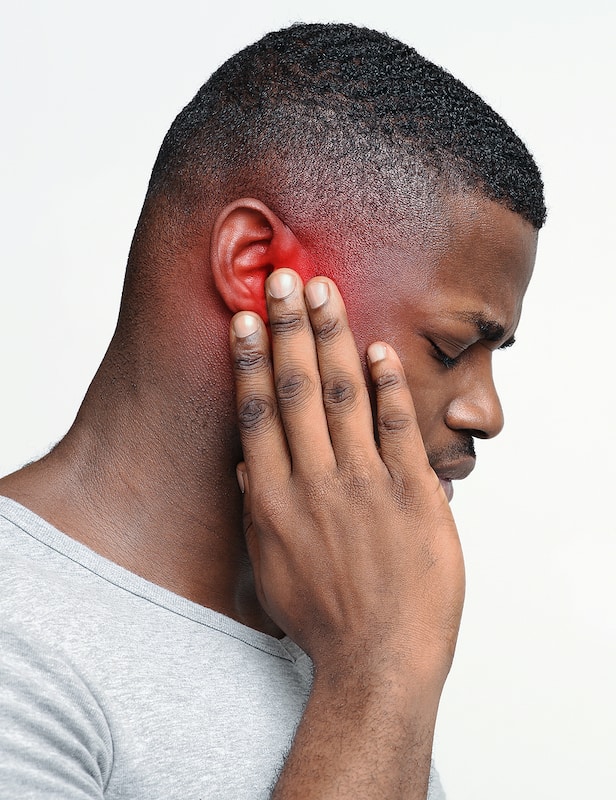
Who experiences Tinnitus?
Tinnitus can affect anyone—regardless of age, background, or lifestyle. Noise exposure and stress are two well‑recognized factors that can influence its severity. It is also the most common service‑related condition among military veterans and individuals who work in loud environments without adequate hearing protection.
Although tinnitus often accompanies noise‑induced hearing loss, people with normal hearing may experience it as well. In many cases, individuals with tinnitus are unaware that they may also have some degree of hearing loss.
Managing Hearing loss and Tinnitus
Many people report significant benefit simply from receiving clear information, guidance, and support from hearing‑health professionals. For those who also have hearing loss, modern hearing aids can improve clarity and may help reduce the perception of tinnitus by providing the brain with better auditory input.
Other common management strategies include:
- Cognitive‑behavioral approaches
- Relaxation and stress‑reduction techniques
- Sound therapy or masking tools
- Lifestyle adjustments that support overall auditory health
Because tinnitus varies widely from person to person, a combination of strategies is often the most effective. There is not usually one single “silver bullet,” but many people find meaningful relief through consistent management and support. If you are experiencing Tinnitus, talk to your doctor about the options that are right for you.
Hearing Aids and hearing services serving Portland, Oregon and Vancouver, Washington
Our office is located in SE Portland, Oregon, but we serve patients from a wide region including the Greater Portland area (Gresham, Happy Valley, Oregon City, Clackamas, Milwaukie, Beaverton, Tigard, Hillsboro) and the Greater Vancouver, WA area (Felida, Fruit Valley, Hazel Dell, Cascade Park, and Camas).
Contact Us